Seeking Urgent/ Emergency Care?

STD Testing & Treatment
STD Testing & Treatment at Code Med Urgent Care in Alexandria, VA
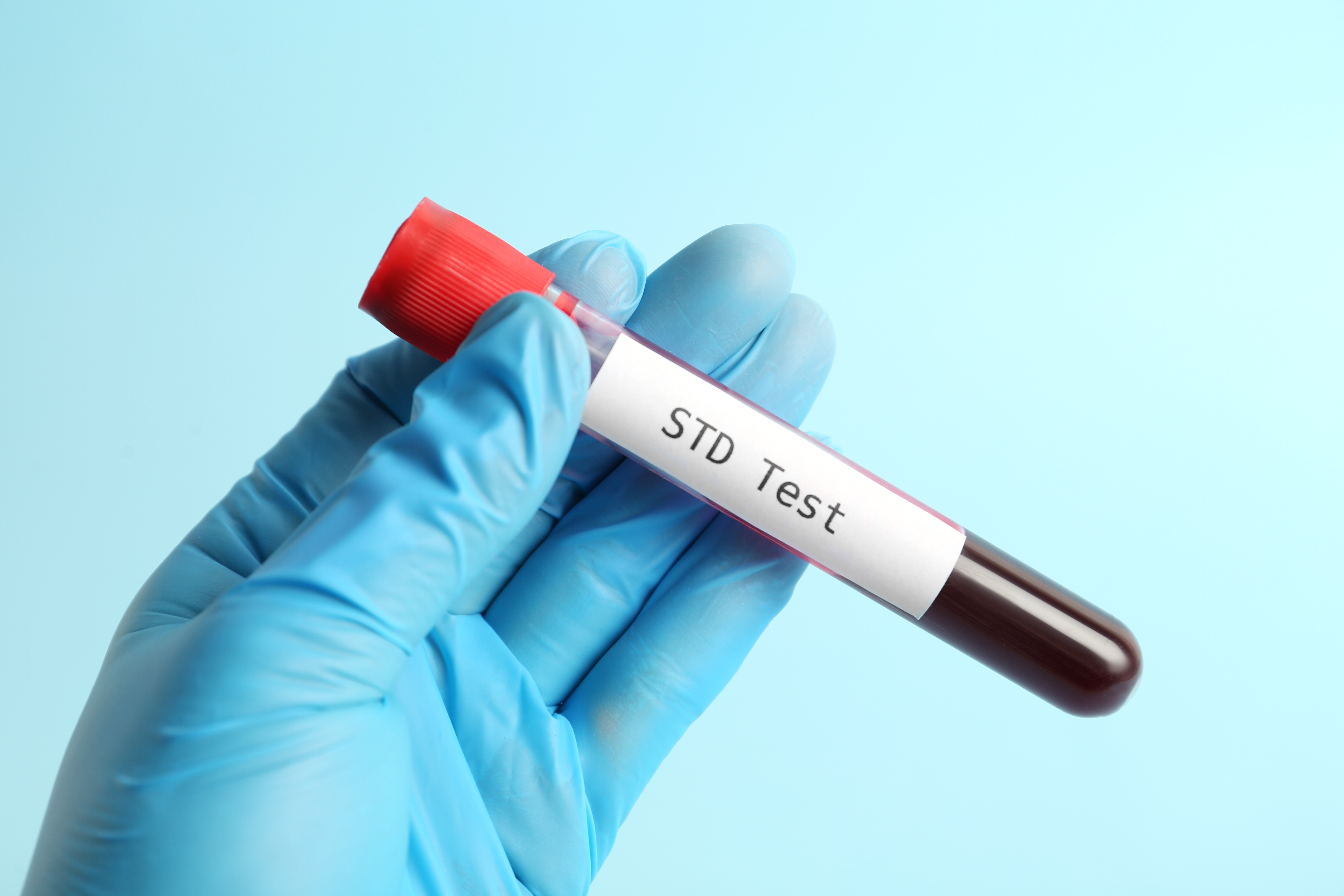
Concerns about possible exposure to a sexually transmitted disease can cause stress, uncertainty, and discomfort, especially when symptoms are unclear or unexpected.
At Code Med Urgent Care in Alexandria, Virginia, we offer STD testing and treatment services to help patients identify and manage sexually transmitted infections in a timely and confidential manner. Sexually transmitted diseases, also called sexually transmitted infections, are common and can affect individuals of all ages. Early detection and appropriate medical care are important for preventing complications and protecting overall health.
Our urgent care team serves patients throughout Alexandria, VA, including nearby communities such as Arlington, Springfield, and Fairfax. We focus on respectful, patient-centered care that supports privacy and clear communication. Whether someone needs routine screening, testing after potential exposure, or evaluation of symptoms, our services are designed to provide reliable medical assessment.
What are sexually transmitted diseases (STDs)?
Sexually transmitted diseases are infections that spread primarily through sexual contact, including vaginal, oral, or anal intercourse. Some infections can also spread through blood or from parent to baby during pregnancy or delivery.
Common STDs include:
Chlamydia
Gonorrhea
Syphilis
Human immunodeficiency virus (HIV)
Herpes simplex virus (HSV)
Human papillomavirus (HPV)
Many STDs can be treated effectively, especially when detected early [1].
What symptoms may suggest an STD?
Some sexually transmitted infections cause noticeable symptoms, while others may not produce symptoms at all. Because of this, routine testing is often recommended for individuals with risk factors.
Possible symptoms include:
- Unusual discharge from the genital area
- Pain or burning during urination
- Sores, bumps, or rashes
- Pelvic or abdominal pain
- Itching or irritation
- Fever or swollen lymph nodes
Absence of symptoms does not always mean absence of infection [2].
Who should consider STD testing?
STD testing may be appropriate for individuals based on lifestyle factors, medical history, or possible exposure. Screening helps identify infections early and supports public health.
Testing may be recommended for:
- Sexually active adults and adolescents
- Individuals with new or multiple partners
- People experiencing symptoms
- Pregnant individuals
- Individuals with a partner diagnosed with an STD
Regular screening is a key component of preventive healthcare [3].
How are STDs diagnosed?
Diagnosis typically involves laboratory testing and medical evaluation. Testing methods vary depending on the suspected infection.
Common diagnostic methods include:
- Urine testing
- Blood testing
- Swab samples from affected areas
- Physical examination
- Medical history review
Laboratory testing provides accurate identification of infections and guides appropriate treatment decisions [4].
Why is early testing and treatment important?
Early detection helps reduce the risk of complications and prevents the spread of infection to others. Untreated sexually transmitted infections can lead to serious health problems.
Potential complications of untreated STDs include:
- Infertility
- Chronic pelvic pain
- Pregnancy complications
- Increased risk of HIV infection
- Organ damage
Prompt evaluation and treatment support better long-term health outcomes [5].
Why Choose Code Med Urgent Care in Alexandria, VA for STD Testing & Treatment?
At Code Med Urgent Care in Alexandria, Virginia, we provide confidential STD testing and treatment services with a focus on patient privacy, accuracy, and timely care. Because sexually transmitted infections can affect overall health and well-being, our approach emphasizes clear communication, reliable testing, and respectful medical evaluation. Whether you live in Alexandria or nearby communities such as Arlington, Springfield, Fairfax, Annandale, or Woodbridge, our team is committed to providing accessible healthcare services that support early detection and effective management of sexually transmitted infections.
Take the First Step Toward Better Health
Whether you're seeking STD Testing & Treatment, or face other urgent health challenges, let Code Med Urgent Care be your trusted partner in care.
Experience care that’s personal, proactive, and centered around you.
References:
1. Workowski, K. A., & Bolan, G. A. (2015). Sexually transmitted diseases treatment guidelines. MMWR Recommendations and Reports, 64(RR-03), 1–137.
2. Hook, E. W., & Handsfield, H. H. (2008). Gonococcal infections in adults. New England Journal of Medicine, 359(23), 2428–2436.
3. Centers for Disease Control and Prevention. (2023). Sexually transmitted infection screening recommendations.
4. Golden, M. R., et al. (2017). Evaluation of sexually transmitted infection testing methods. Clinical Infectious Diseases, 65(10), 1716–1722.
5. Torrone, E., et al. (2018). Prevalence of sexually transmitted infections and complications. Sexually Transmitted Diseases, 45(6), 381–387.
What Our Patients Are Saying
Access The Convenient Care You Deserve
Get In Touch
Call, click, or visit — we’re here to make getting care simple & stress-free!
6244A Little River Turnpike Alexandria, VA 22312
Our Promise to You
To provide advanced, personalized care with skill, compassion, and respect—every time you visit. You’re not just a condition to treat; you’re a whole person with unique goals and challenges, and we’re here to help you overcome them.
We’re committed to serving our community with integrity and heart, combining innovation with genuine connection—because true healing goes beyond checklists.


© 2026 Code Med Urgent Care | Accessibility | Terms & Conditions | Privacy Policy | Powered by DoctoGrow